Muggulu (Rangoli)

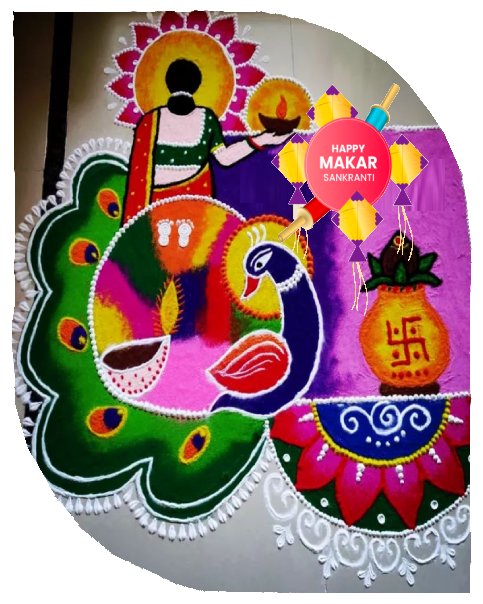
During Sankranti in Andhra Pradesh, Muggulu transforms the festive atmosphere into a complete celebration. Rangoli, or Rangavalli in Sanskrit, intricately weaves together colors and shapes, mirroring astrological forms. Beyond its visual allure, the geometric patterns in Muggulu create subtle vibrations, fostering a sense of tranquility in those who behold them. Rooted in Hindu philosophy, the tradition of drawing Muggulu aligns with the belief in living harmoniously with the surrounding species. By crafting these intricate designs with rice flour, a thoughtful gesture unfolds—providing a feast for ants and other insects.

It's a unique blend of artistry and ecological mindfulness. The colors chosen for the Muggulu are not mere aesthetics; they carry profound symbolism. White evokes coolness and purity, red symbolizes strength, yellow represents opulence, green embodies harmony, orange signifies sacrifice, and blue paints the canvas with the hues of happiness. In essence, Muggulu transcends being just a visual treat; it becomes a medium connecting traditions, art, science, and ecological sensitivity, enriching the cultural tapestry of Sankranti celebrations in Andhra Pradesh.
Bhogi Pandlu

In Andhra Pradesh, Sankranti is a grand harvest festival celebrated with enthusiasm.


Bhogi marks the initiation of the Makar Sankranti festivities, symbolizing new beginnings and good fortune as the fresh harvest season commences.


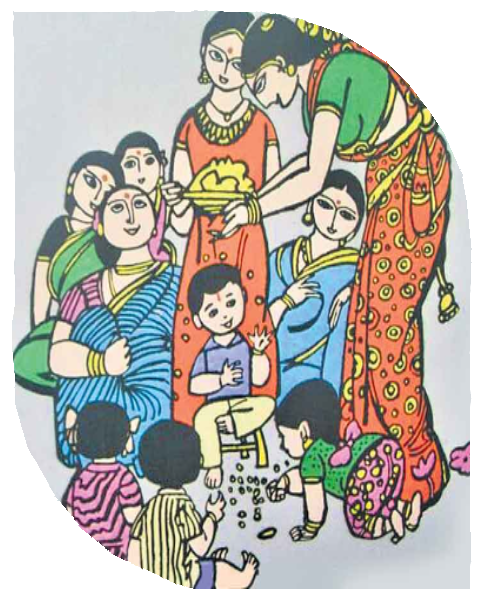
The Bhogi Pandlu ritual is an integral part of the Sankranti celebrations, where children receive Aarati and are joyfully showered with a mixture of gooseberries, flower petals, and rice by the elders in the household.


This tradition is believed to bestow blessings upon the children, ensuring abundance and prosperity in their lives while safeguarding them from both human and planetary malevolence.

Gobbemma Dance

Celebrated during the Sankranti festival, the Gobbemma Dance holds significant cultural importance in our tradition.


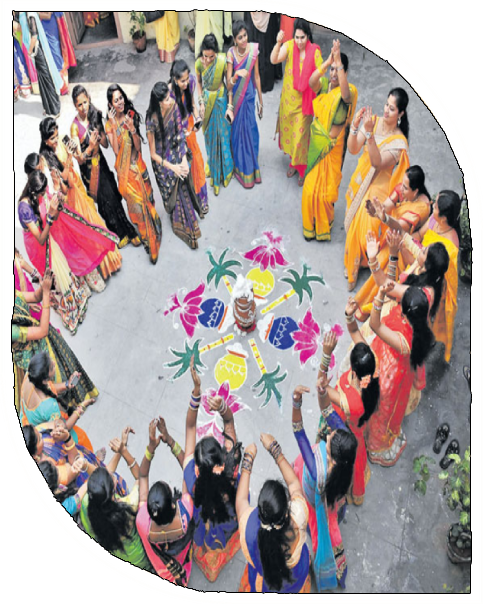
Gobbemmas, cow dung dolls adorned with turmeric and flowers, are arranged in a circle, with a prominent Gobbemma placed at the center of the Muggulu, symbolizing the revered Godha Devi (Goddess).


As the women gracefully dance around the Rangoli with Gobbemmas, they immerse themselves in the belief of joining the celestial dance of the Gopikas around Krishna and Godha Devi, expressing their earnest desire for blessings of good health and prosperity.


Beyond its cultural essence, Gobbemma, composed of cow dung and turmeric, serves a practical purpose as an economical and natural means to create a worm-free environment, acting as a repellent for insects and worms and maintaining a pest-free household

Bommala Koluvu

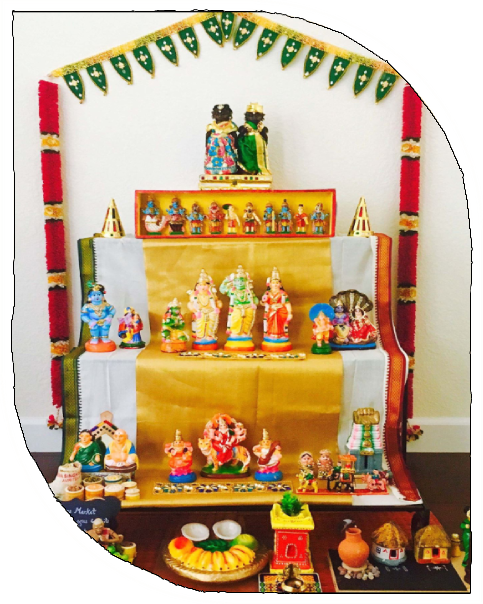
An integral part of Sankranti festivities, Bommala Koluvu, the showcasing of dolls of Gods arranged in a hall or on stage, has been a cherished tradition for ages.


This practice is believed to trace its roots back to the era of King Janamejaya, a descendant of the Pandavas.


The symbolic significance of setting up Bommala Koluvu is linked to the ushering in of Uttarayanam (north solstice), signifying the Sun's movement towards the North and the onset of long days and the harvest season. The presence of all Gods and Goddesses assembled in the house during this display is seen as a way to invoke their blessings and protection for the entire year.


Beyond its ritualistic aspect, this tradition serves as an educational tool for children, offering them insights into the history and stories of each God and Goddess, imparted by their elders, thereby instilling cultural knowledge and significance in the younger generation.

Gorintaku (Mehendi)

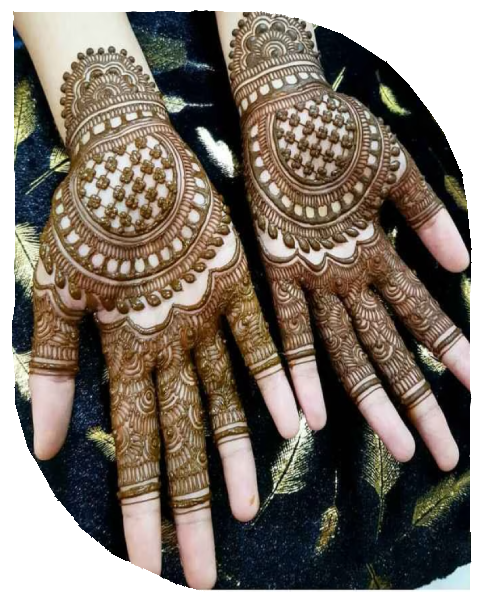
Gorintaku holds a significant place in Indian weddings and festivals, adorning the hands and feet with intricate designs that showcase great skill and creativity.


This application of Henna paste is not just a beautiful art form but also carries therapeutic benefits. Known for its ability to reduce stress and alleviate headaches, Gorintaku provides a cooling effect on the body.


Moreover, it serves as a natural antiseptic for minor cuts, adding a functional dimension to its aesthetic appeal. Additionally, Gorintaku finds application as a natural hair dye, showcasing its versatility and traditional significance in various aspects of personal care and adornment.